Farewell to Spring Seeds
The “Elegant Clarkia” or “Farewell-to-Spring” is a favorite wildflower in the wild in Northern California. With red or maroon stems, the flowers resemble pinkish powder puffs up and down the tall plant. In the northeast, these lovely meadow annuals reach about 12 to 14” in height, but with the moist conditions of the Pacific Northwest (and even well-watered in Southern California) this clarkia can reach 3 to 4 feet for a magnificent show. All clarkias are named for Captain Clark of the Lewis and Clark Expedition. For related species, see godetia, C. amoena.
*Sometimes known as C. elegans.
Product Information
Product Information
Shipping & Returns
Shipping & Returns
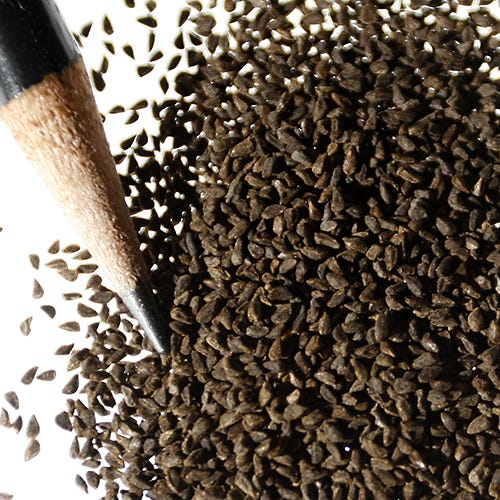
Farewell to Spring Seeds
Farewell to Spring Seeds
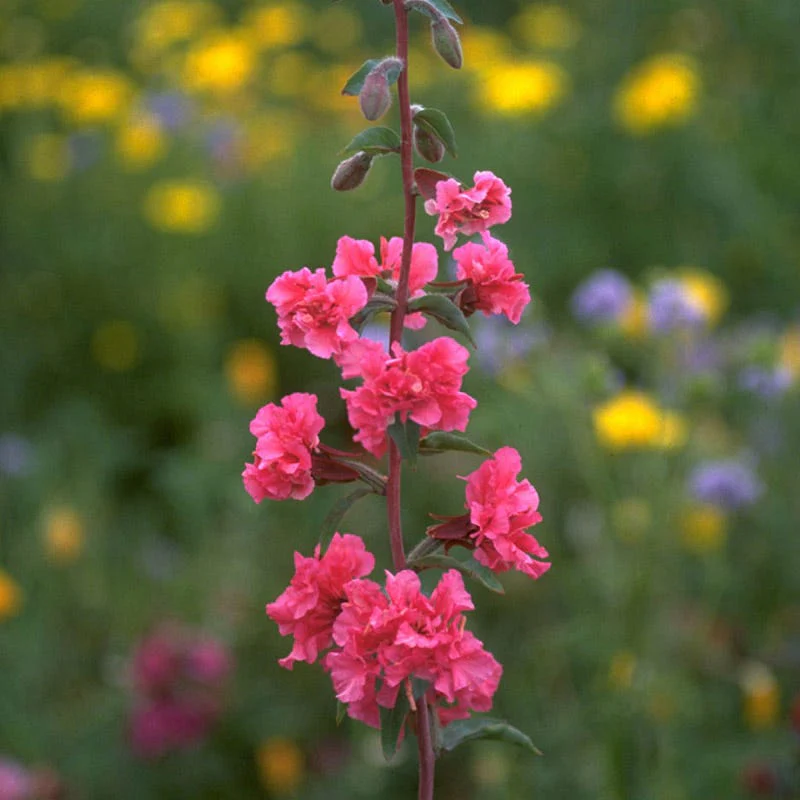
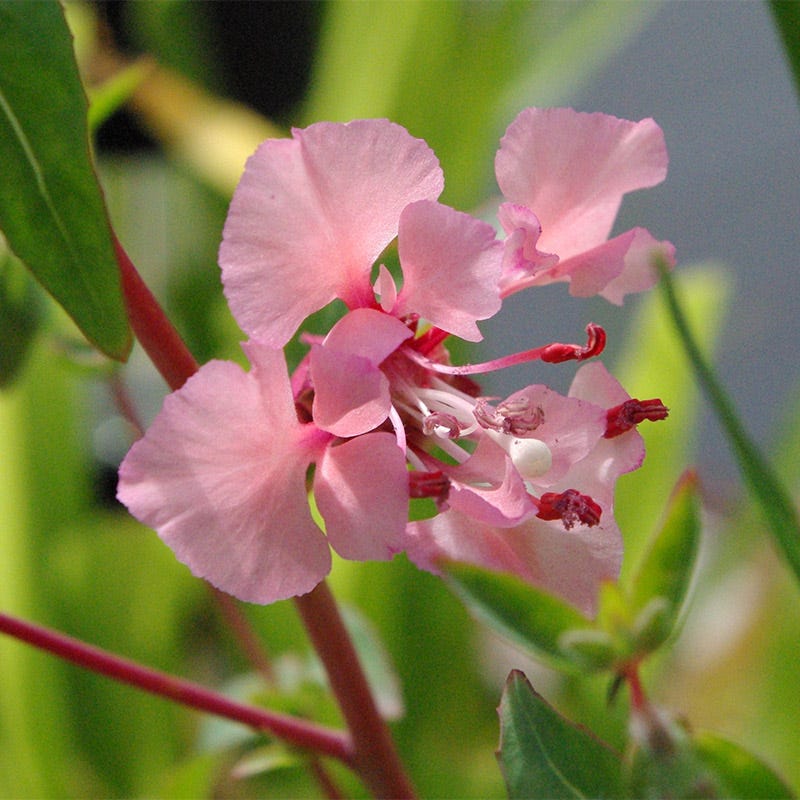
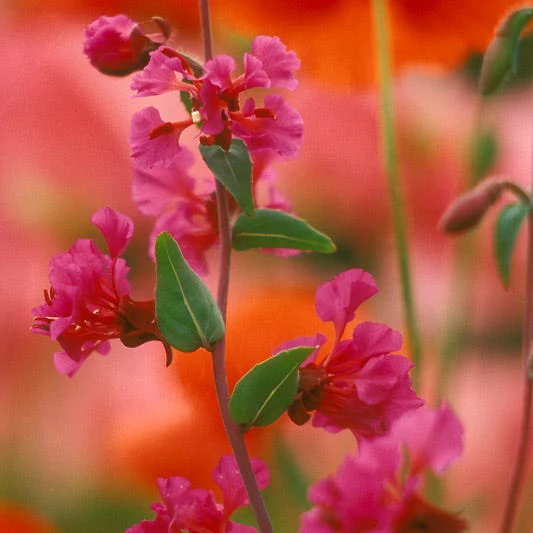
The “Elegant Clarkia” or “Farewell-to-Spring” is a favorite wildflower in the wild in Northern California. With red or maroon stems, the flowers resemble pinkish powder puffs up and down the tall plant. In the northeast, these lovely meadow annuals reach about 12 to 14” in height, but with the moist conditions of the Pacific Northwest (and even well-watered in Southern California) this clarkia can reach 3 to 4 feet for a magnificent show. All clarkias are named for Captain Clark of the Lewis and Clark Expedition. For related species, see godetia, C. amoena.
*Sometimes known as C. elegans.
Original: $20.85
-70%$20.85
$6.25Product Information
Product Information
Shipping & Returns
Shipping & Returns
Description
The “Elegant Clarkia” or “Farewell-to-Spring” is a favorite wildflower in the wild in Northern California. With red or maroon stems, the flowers resemble pinkish powder puffs up and down the tall plant. In the northeast, these lovely meadow annuals reach about 12 to 14” in height, but with the moist conditions of the Pacific Northwest (and even well-watered in Southern California) this clarkia can reach 3 to 4 feet for a magnificent show. All clarkias are named for Captain Clark of the Lewis and Clark Expedition. For related species, see godetia, C. amoena.
*Sometimes known as C. elegans.