Yellow Prairie Grass
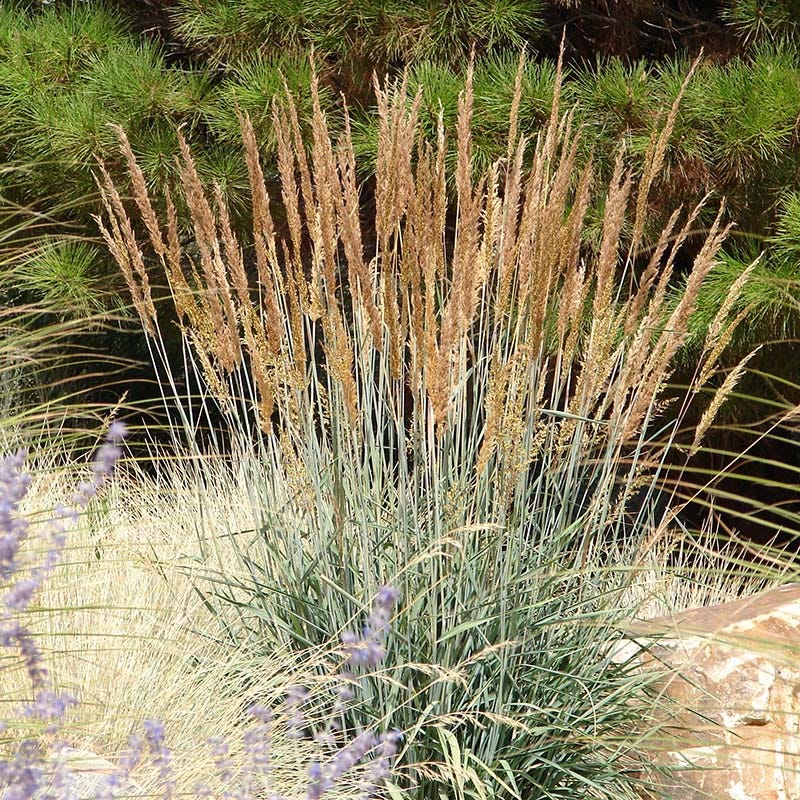
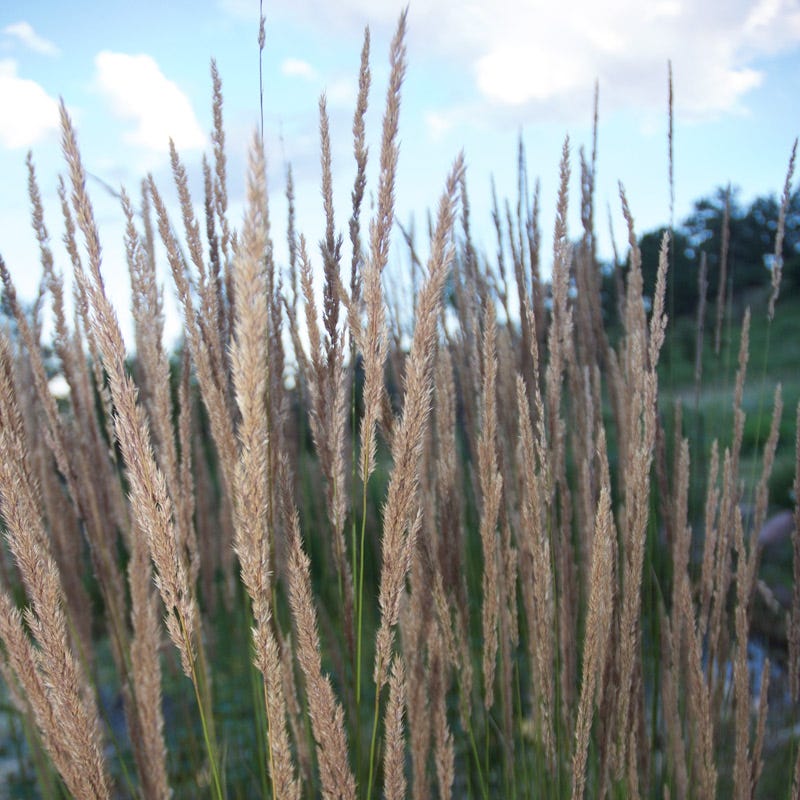
Yellow Prairie Grass (Sorghastrum nutans) (formerly known as Indiangrass) is a warm-season bunchgrass native to most of Southern Canada and almost all of the United States except for the 5 most western states; it is most common in the Midwestern Plains of North America. It has a dense fibrous root systems that can reach up to seven feet deep or more, which helped build the rich prairie soils over thousands of years; these deep roots make Sorghastrum nutans especially good for erosion prevention drought-resistance. This grass can also tolerate poor, rocky, sandy, and clay soil. It does not do well in full shade, and it tends to open flop in moist, rich soils. It will self-seed and spread in optimum growing conditions. Cut this grass back to the ground in early spring just as new growth appears.
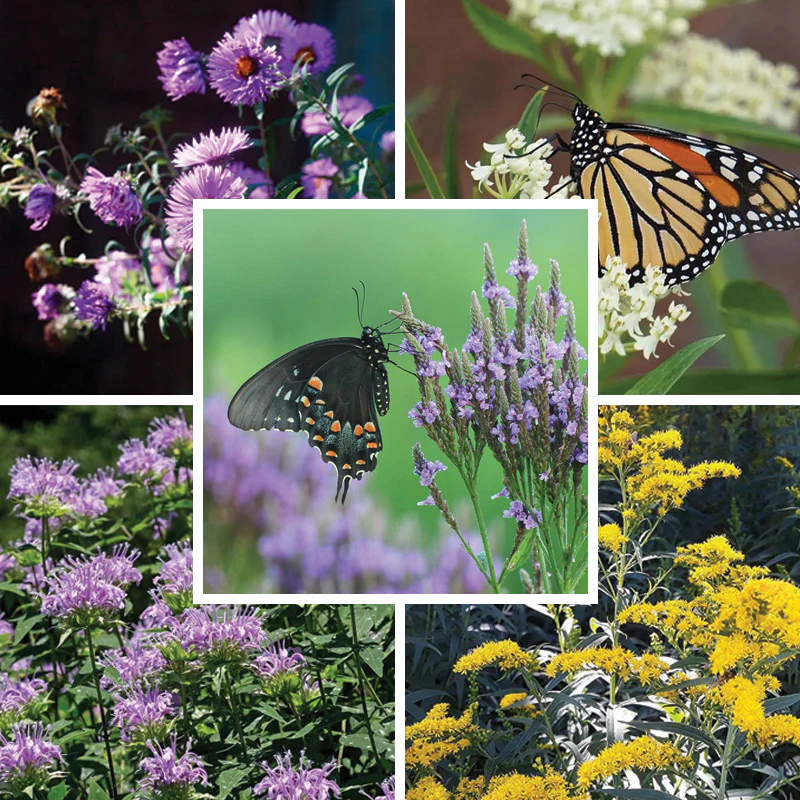
This native species provides excellent year-round habitat for birds and wildlife, nesting materials for bees, and offers seeds to feed songbirds. Yellow Prairie Grass also serves as a larval host to the Pepper-and-Salt Skipper butterfly. Yellow Prairie Grass is highly resistant to deer grazing.
Product Information
Product Information
Shipping & Returns
Shipping & Returns
Yellow Prairie Grass
Yellow Prairie Grass
Yellow Prairie Grass (Sorghastrum nutans) (formerly known as Indiangrass) is a warm-season bunchgrass native to most of Southern Canada and almost all of the United States except for the 5 most western states; it is most common in the Midwestern Plains of North America. It has a dense fibrous root systems that can reach up to seven feet deep or more, which helped build the rich prairie soils over thousands of years; these deep roots make Sorghastrum nutans especially good for erosion prevention drought-resistance. This grass can also tolerate poor, rocky, sandy, and clay soil. It does not do well in full shade, and it tends to open flop in moist, rich soils. It will self-seed and spread in optimum growing conditions. Cut this grass back to the ground in early spring just as new growth appears.
This native species provides excellent year-round habitat for birds and wildlife, nesting materials for bees, and offers seeds to feed songbirds. Yellow Prairie Grass also serves as a larval host to the Pepper-and-Salt Skipper butterfly. Yellow Prairie Grass is highly resistant to deer grazing.
Product Information
Product Information
Shipping & Returns
Shipping & Returns
Description
Yellow Prairie Grass (Sorghastrum nutans) (formerly known as Indiangrass) is a warm-season bunchgrass native to most of Southern Canada and almost all of the United States except for the 5 most western states; it is most common in the Midwestern Plains of North America. It has a dense fibrous root systems that can reach up to seven feet deep or more, which helped build the rich prairie soils over thousands of years; these deep roots make Sorghastrum nutans especially good for erosion prevention drought-resistance. This grass can also tolerate poor, rocky, sandy, and clay soil. It does not do well in full shade, and it tends to open flop in moist, rich soils. It will self-seed and spread in optimum growing conditions. Cut this grass back to the ground in early spring just as new growth appears.
This native species provides excellent year-round habitat for birds and wildlife, nesting materials for bees, and offers seeds to feed songbirds. Yellow Prairie Grass also serves as a larval host to the Pepper-and-Salt Skipper butterfly. Yellow Prairie Grass is highly resistant to deer grazing.